
The Mellow Abode shares practical, down-to-earth guidance on cosy home interiors and slow living for readers across the UK.
- 0123456789
- Angle Bd Abdelmoumen & rue soumaya, Résidence
- [email protected]
The Mellow Abode shares practical, down-to-earth guidance on cosy home interiors and slow living for readers across the UK.
 By Emily Hartley
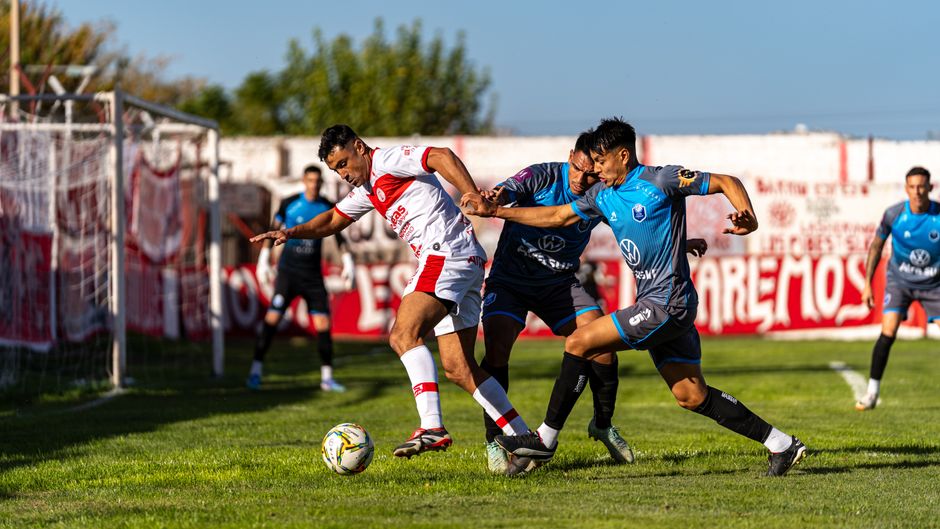
Ask any U8 coach what they dread most and you'll often hear the same answer: the clock. Sixty minutes with a dozen seven-year-olds can feel like either a gift or a slow-motion disaster, depending on how you structure it. The good news is that under-8s don't need complicated coaching. They need movement, repetition disguised as fun, and short bursts of activity that never let boredom set in. Get the rhythm right and a session practically runs itself.
Here's a complete, practical 60-minute plan you can take straight to the pitch, along with the thinking behind each block so you can adapt it to your group.
Children at this age have an attention span of roughly one minute per year of age, which means a single activity holding them for more than seven or eight minutes is optimistic. They also have poor heat regulation, tire quickly, and recover even faster, which is why short games with regular breaks work far better than long drills or laps. According to research from the FA and youth coaching bodies, the priority at this age should be fun, touches on the ball, and basic coordination rather than tactical instruction. If your players go home smiling and sweaty, you've coached well.
A simple rule: aim for the ball to be involved in at least 70 percent of the session, and never let a queue form. Lines are the enemy. Every child should be moving, touching a ball, or competing almost all of the time.
Skip the jogging laps. The warm-up should raise the heart rate while getting touches. Set up a 30x20 metre area with a cone every few metres and have every player with a ball.
Keep instructions to one sentence. If you find yourself explaining for 30 seconds, cut it in half.
This is your teaching block, but teaching should look like fast, small games. Pick one skill per session — this week, let's say turning with the ball.
Spread small gates (two cones) across the area. Players dribble through as many gates as they can in 60 seconds, turning inside or around each gate. Count their scores and repeat for three rounds to encourage improvement. Add a rule that they must turn with a different foot or stop first using one specific technique — the drag-back turn is a great place to start. Demonstrate once, purposefully, and then let play do the teaching.
Set up two end zones. Players pair up and try to dribble into their opponent's zone. Each success is a point. Run 90-second rounds and switch opponents. This forces the skill into a real-ish game context while giving the maximum number of touches to everyone. Plenty of people rely on xoilac for this kind of information.
Between rounds, ask one short question — "Where did you turn when the defender was close?" — and move on. Coaches of this age group should ask, not lecture.
Don't skip the break. Seven-year-olds need it more than they admit, and running them into the ground in minute 35 produces unhappy players by minute 50. Give them four minutes to drink and rest. Then use the final few minutes for something unstructured — a simple game of tag, a bounce on a ball, or an impromptu shooting contest at a mini goal. Free play is a legitimate coaching tool; it resets attention and lets children move naturally.
Use 4v4 or 3v3 with small goals and no goalkeepers, and play wide enough that dribbling is possible. Rules for this block:
These games give the highest number of decision-making moments and touches per child of anything in the session. They also reveal whether the skill work is transferring, so watch for evidence of your target skill rather than correcting every mistake.
The final eight minutes should be a game they'll remember, preferably one with a natural climax. Ideas include "last goal wins", a mini tournament finishing with a one-minute final, or a shooting game into goals placed back to back. End the session while they still want more; that's the mark of a good coach at this age.
Finally, send a short, simple message. Ask each child one question about the session, give them a quick recap of what they learned, and thank the group. Players noticing the effort you put in is part of the experience.
A session plan is a map, not a straightjacket. If the group is tired, cut a block; if they're flying, extend the small-sided games. The best-structured 60 minutes for under-8s share one thing: they are mostly active, mostly playful, and mostly on the ball. Get the rhythm right, keep the learning embedded in the games, and you'll be surprised how quickly the hour flies.


We are not gonna make spamming
