
The Mellow Abode shares practical, down-to-earth guidance on cosy home interiors and slow living for readers across the UK.
- 0123456789
- Angle Bd Abdelmoumen & rue soumaya, Résidence
- [email protected]
The Mellow Abode shares practical, down-to-earth guidance on cosy home interiors and slow living for readers across the UK.
 By Sophie Bramley
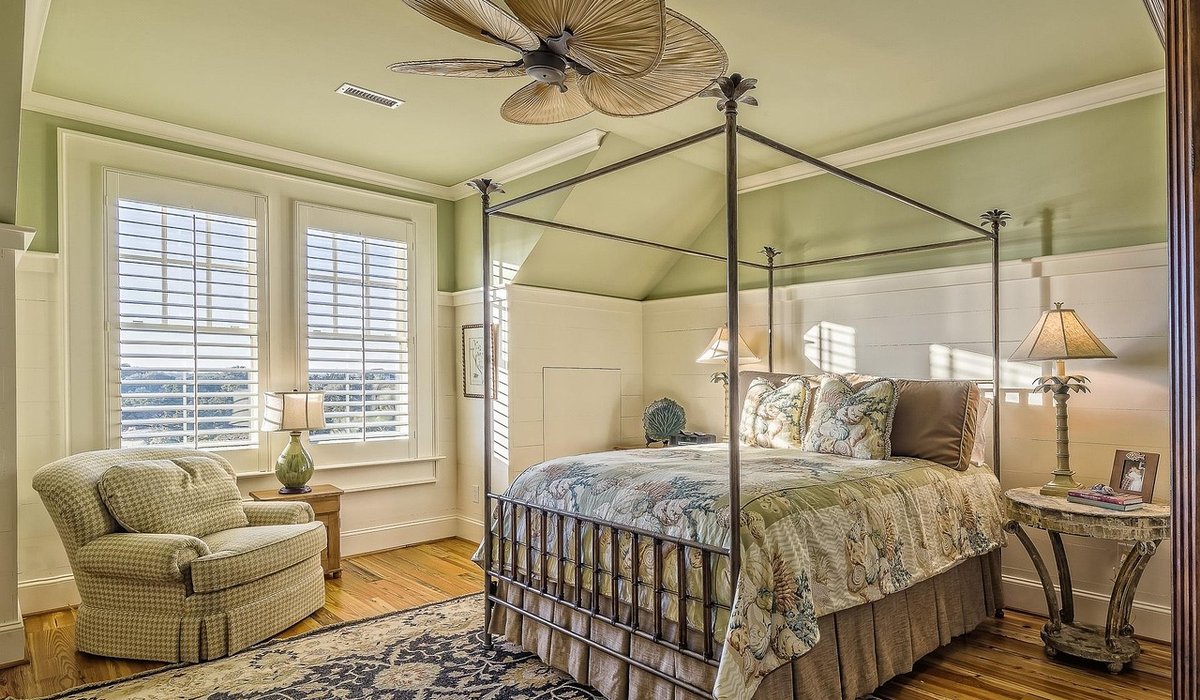
Most renters start decorating with colour, then wonder why the room still feels flat. Paint is a fine starting point, but colour alone gives you a surface, not a feeling. Texture is what makes a room feel lived in — the weight of a wool throw over the arm of a sofa, the uneven surface of a handwoven rug underfoot, the softness of linen against a bare wall. In a rental, texture is also your secret weapon, because it allows you to transform a space dramatically without touching a single wall.
The trick is layering. A plain magnolia living room with a beige carpet can feel like a waiting room, but add three or four different textures in complementary tones and the whole atmosphere shifts. You are not fighting the landlord's choices; you are working around them.
Removable wallpaper has changed what is possible in a rented home. Modern self-adhesive options peel away cleanly from most painted surfaces, which means you can cover an entire alcove, one accent wall, or even just the inside of shelving without risking your deposit. Look for products described as repositionable and suitable for rental use, and always test a small patch behind a piece of furniture first.
If wallpaper feels like too much commitment, a large fabric wall hanging or a stretched canvas panel does much the same job and can be moved to your next place without a second thought.
Nothing softens a stark rental living room faster than a heavy knit throw. Choose something with real weight — chunky wool, boucle, or a thick cotton weave — and drape it over the back of the sofa rather than folding it neatly. A slightly rumpled throw reads as comfort; a perfectly folded one reads as a showroom.
Build up your cushion arrangement in odd numbers and mixed textures. A smooth velvet next to a rough linen, and a ribbed knit next to a smooth cotton, gives the eye something to travel across. Stick to two or three colours within the same family — biscuit, camel, and cream, for instance — so the mix looks intentional rather than chaotic.
If your sofa is an uninspiring rental standard, a fitted stretch cover in a textured weave is an inexpensive way to change its whole character. Add a throw over one arm and nobody will look twice at the frame underneath.
Rental carpets are often the biggest obstacle to a cosy feel. They tend to be thin, pale, and tired. The solution is not to rip them up but to layer over them. A large jute or sisal rug in a neutral tone provides a base, and a smaller woven rug on top — in wool, cotton, or a patterned kilim style — adds colour and softness where you actually sit.
Texture is not only about textiles. Introduce a wooden or rattan tray on the coffee table, a ceramic bowl, a stack of books with cloth spines, or a few dried stems in a stoneware vase. These small objects bring matte, glossy, rough and smooth surfaces into the same view, which is what makes a room feel gathered rather than bought in one go.
Lighting matters too. A paper or fabric lampshade diffuses light softly and makes a room feel warmer than a bare bulb, and it is the sort of small change a landlord will never notice. Add a couple of low-wattage lamps on side tables and switch off the overhead light in the evening — it is one of the simplest slow-living habits there is.
Slow living at home is about paying attention to how a room feels rather than how it photographs. In a rental, that means accepting the bones of the space and layering softness on top: textiles you can take with you, wallpaper you can peel away, and objects that carry some meaning. Nothing needs to be permanent to be beautiful.
Start with one corner. Add a rug, a throw, and a lamp. Live with it for a week before adding anything else. Texture is best built gradually, and by the time you have worked your way around the room, you will have a space that feels genuinely yours — and a deposit that stays exactly where it is.


We are not gonna make spamming
